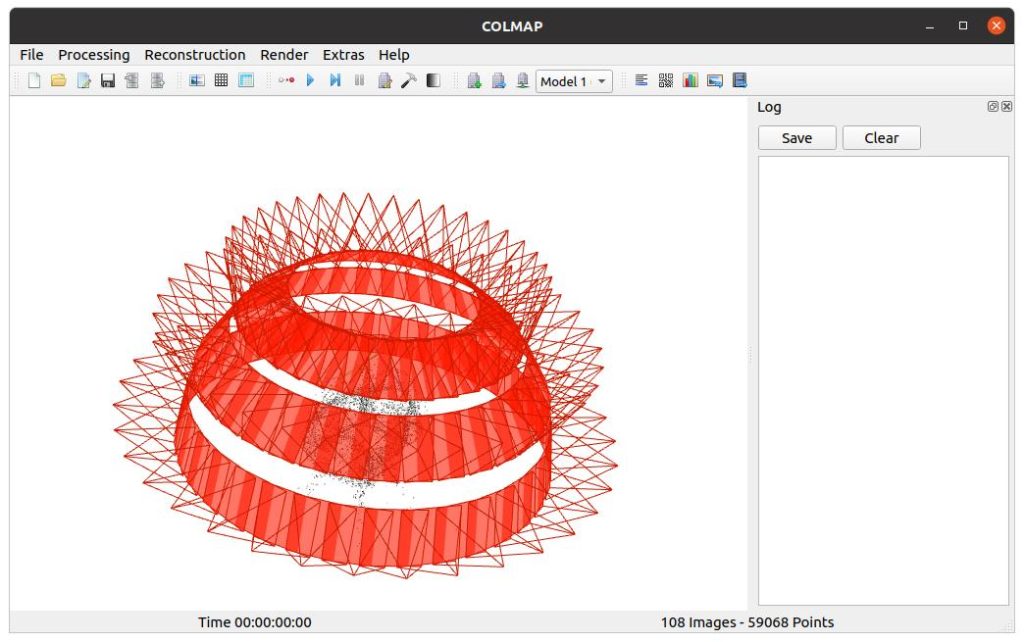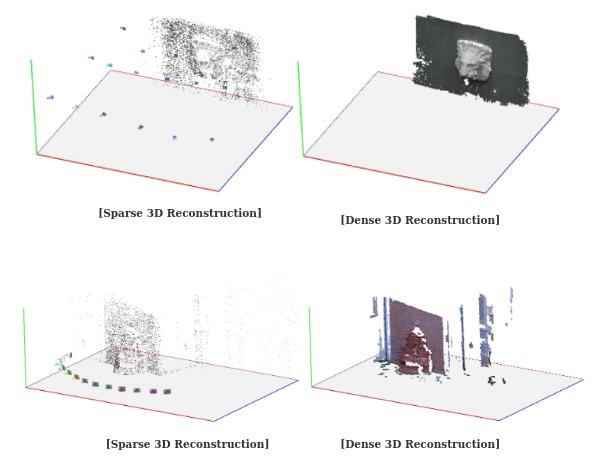
ColMap is one of the most widely used open-source photogrammetry tools in the field of computer vision and 3D reconstruction. It allows users to create accurate 3D models from images using advanced Structure-from-Motion and Multi-View Stereo techniques. Because of its powerful capabilities and academic popularity, many individuals and companies use COLMAP in research, robotics, mapping, and commercial production workflows.
ColMap is often questioned for its licensing and commercial usability, especially by developers and businesses planning to integrate it into production environments. Understanding whether COLMAP is free for commercial use requires a detailed analysis of its license, dependencies, and usage restrictions. This article provides a complete breakdown of COLMAP’s commercial usage rights, legal considerations, and practical implications.
Understanding COLMAP and Its Licensing Model
COLMAP is an open-source software project released under a permissive license. It is primarily distributed under the BSD-style license, which is one of the most flexible open-source licensing models available. This means that COLMAP allows users to access, modify, and distribute the software with very few restrictions.
The key idea behind COLMAP’s licensing is to encourage research, innovation, and commercial adoption without forcing strict limitations on usage. Unlike restrictive licenses that require derivative works to remain open-source, COLMAP’s license allows integration into proprietary systems.
However, the licensing structure must be carefully understood because COLMAP depends on several third-party libraries, each with its own licensing terms.
What Open-Source Means in COLMAP Context
Open-source in COLMAP means that the source code is publicly available and can be freely used by anyone. Users can:
- Modify the source code
- Build custom versions
- Use it in private or commercial systems
- Distribute modified versions
This flexibility makes COLMAP suitable for startups, enterprises, and research institutions.
However, open-source does not always mean completely unrestricted. The type of license determines the level of freedom.
COLMAP Core License Type
COLMAP itself is distributed under a BSD 3-Clause License. This license allows:
- Free commercial use
- Free modification
- Free redistribution
- Private use without disclosure of source code
The only requirement is that original copyright notices and disclaimers must be retained.
This makes COLMAP highly business-friendly compared to GPL-licensed software.
Is COLMAP Free for Commercial Projects?
Yes, COLMAP is generally free to use for commercial projects. The BSD license permits companies to integrate COLMAP into commercial products, services, and workflows without paying licensing fees.
This means businesses can use COLMAP for:
- 3D scanning services
- Mapping applications
- Game development pipelines
- AR and VR systems
- Industrial simulation tools
There is no requirement to open-source your commercial application when using COLMAP.
Commercial Freedom Under BSD License
The BSD license provides three major freedoms for commercial users:
- Use COLMAP in proprietary software
- Modify COLMAP for internal systems
- Distribute products containing COLMAP components
This makes it ideal for companies building scalable commercial solutions.
No Royalty or Payment Requirement
COLMAP does not require any licensing fee or royalty payment. Businesses can use it at scale without financial restrictions. This is a major advantage over commercial photogrammetry software that requires expensive licenses.
Internal Use in Companies
Companies can use COLMAP internally without any obligation to publish their modifications. This includes:
- Research and development
- Internal mapping systems
- Prototype development
- Machine learning dataset generation
Important Licensing Considerations in COLMAP
Although COLMAP itself is free for commercial use, there are important considerations due to third-party dependencies.
Third-Party Libraries
COLMAP uses several external libraries such as:
- CUDA (optional GPU acceleration)
- Qt (for GUI components)
- Eigen (mathematical computations)
- Boost libraries
Each of these libraries has its own license, which may affect commercial usage depending on configuration.
GPU and CUDA Dependencies
If COLMAP is compiled with GPU support using CUDA, developers must comply with NVIDIA’s CUDA licensing terms. While CUDA is widely used commercially, it may introduce additional conditions depending on deployment environment.
Redistribution Rules
If you distribute COLMAP as part of your product, you must:
- Include original copyright notices
- Retain license text
- Avoid misrepresentation of authorship
However, you do not need to open-source your entire application.
COLMAP in Commercial Applications
COLMAP is actively used in various commercial industries due to its accuracy and flexibility.
Robotics and Automation Industry
In robotics, COLMAP is used for:
- Environmental mapping
- Autonomous navigation
- Object reconstruction
Companies integrate COLMAP into perception pipelines for real-world interaction systems.
Gaming and Virtual Reality
Game studios use COLMAP to generate realistic 3D assets from real-world scans. It helps in:
- Environment creation
- Texture mapping
- Scene reconstruction
VR developers use it to build immersive environments.
Film and Visual Effects
COLMAP is used in film production for:
- 3D scene reconstruction
- Camera tracking
- Digital environment creation
It reduces the need for manual modeling.
Mapping and Surveying
Companies use COLMAP for:
- Terrain modeling
- Geographic reconstruction
- Infrastructure analysis
It is especially useful where LiDAR is not available.
AI and Machine Learning
COLMAP is widely used to generate training datasets for AI models by reconstructing 3D scenes from images.
Advantages of Using COLMAP Commercially
COLMAP provides several business advantages:
Cost Efficiency
COLMAP is free, eliminating licensing costs associated with commercial photogrammetry tools.
High Accuracy
COLMAP delivers research-grade accuracy suitable for professional applications.
Customization
Companies can modify COLMAP to fit their specific pipeline requirements.
Scalability
COLMAP supports both small-scale and large-scale datasets.
Active Community Support
COLMAP has strong academic and developer support.
Limitations in Commercial Use
Despite being free, COLMAP has certain limitations:
Technical Complexity
COLMAP requires technical expertise to configure and optimize.
Hardware Requirements
High-performance GPU and CPU resources are often required.
Processing Time
Large datasets may take significant time to process.
Lack of Full Commercial Support
COLMAP does not provide official enterprise-level support.
Legal Safety of Using COLMAP in Business
Using COLMAP in commercial environments is legally safe if license terms are followed.
Key legal points include:
- BSD license allows commercial use
- Attribution must be maintained
- Third-party dependencies must be respected
Companies should still conduct legal review before integration.
COLMAP vs Commercial Alternatives
Compared to paid tools like RealityCapture or Agisoft Metashape:
- COLMAP is free
- COLMAP is more customizable
- Commercial tools are easier but expensive
- COLMAP requires more technical knowledge
Best Practices for Commercial Deployment
To use COLMAP effectively in business environments:
- Optimize hardware setup
- Automate pipelines
- Use GPU acceleration
- Validate license compliance
- Integrate with production systems carefully
Future of COLMAP in Commercial Industry
COLMAP is expected to grow in commercial adoption due to:
- Increasing demand for 3D data
- Expansion of AI applications
- Growth of AR/VR industries
- Open-source adoption trends
It will likely remain a core tool in research and industry pipelines.
Conclusion
ColMap is free to use for commercial projects under its permissive BSD license, making it one of the most flexible and powerful photogrammetry tools available today. Businesses can safely integrate COLMAP into their workflows for 3D reconstruction, mapping, robotics, and visual effects without paying licensing fees or restricting proprietary development. However, careful attention must be given to third-party dependencies and proper license attribution to ensure full legal compliance.